Floating solar vs ground-mount solar: how site selection criteria differ
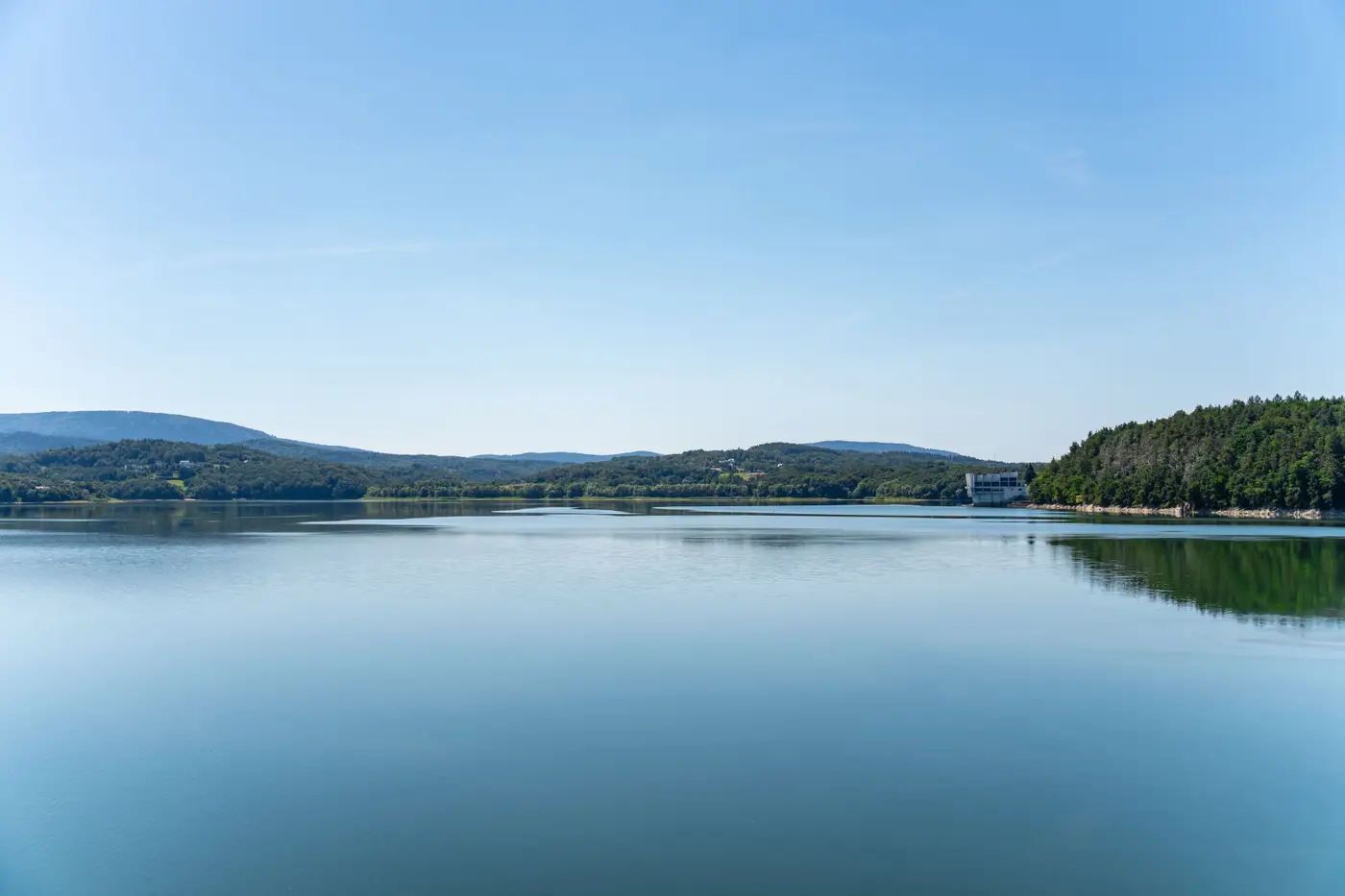
Ask a land-acquisition person what kills a ground-mount site and they'll say slope, soil bearing capacity, wetlands delineation, or a landowner who won't sign a 25-year lease at the rate you can afford. Ask someone who's screened reservoirs for floating PV and you get a completely different list: drawdown range, shoreline access for the anchor crew, bank shading at low sun angles, and whether the water body even holds a stable level long enough to amortize the array.
Same technology, same inverters half the time, almost no overlap in what actually disqualifies a site.
What kills a ground-mount site vs what kills a floating site
Ground-mount screening is a land problem. You're looking at parcel size, topography (anything over roughly 5-8% grade starts adding racking cost), soil type for pile-driving, distance to the nearest substation or interconnection point, and whatever zoning or setback rules the county has stacked on top. Shading comes from tree lines and neighboring structures, and it's mostly fixed once you've picked the parcel.
Floating PV screening is a water problem wearing a solar hat. Surface area still matters, you need enough open water to fit the array plus service lanes, but the deciding factor is usually water-level stability. A reservoir that swings 6 meters between wet and dry season needs a mooring and anchor system engineered for that range, and on some sites that swing alone pushes the economics past what the panels will ever earn back. Shoreline access matters for a different reason than on land: it's not about truck routes to a laydown yard, it's about whether a crew can get a barge or a cable run to the array without a mile of hauling. And shading isn't tree lines, it's the reservoir's own banks and any structures on the dam crest or inlet side, which move with sun angle in ways a flat field never does.
Why screen a reservoir instead of a field in the first place
For a lot of utilities and developers, the land problem is already solved before floating PV ever comes up. The reservoir is sitting there, owned, fenced and permitted as a water asset already. There's no lease negotiation, no competing with agriculture for the parcel, and often no new interconnection study because the pump station or treatment plant next door already has a tie-in point. That's the whole appeal: you're not screening a reservoir instead of a field because the panels work better on water (though the cooling effect on module temperature is real and well documented), you're doing it because the real estate question is already answered.
Rooftop sits in its own category again. There the constraints are structural load rating, roof orientation and pitch, and shading from adjacent rooftop equipment or taller buildings next door, none of which have anything to do with water level or soil bearing. Rooftop, ground-mount and floating PV each run their own site-selection checklist, three different lists that happen to end at the same interconnection agreement.
Where this gets expensive for a development team
The part that eats staff time is that water-level stability and shoreline access aren't things you can read off a parcel map. A developer ranking ten candidate reservoirs across a service territory has historically had to pull gauge records and drawdown history for each one individually, cross-reference it against shoreline topography, and build a shortlist by hand before anyone drives out to look at a single site. That's fine for one reservoir. It gets slow fast once you're trying to rank a whole portfolio of water bodies against each other on the same criteria.
That's the gap Floating Solar Screening was built around: ranking reservoirs, quarry lakes and settling ponds against each other on surface area, level stability, shading and shoreline access from one annual candidate map, instead of pulling those records reservoir by reservoir.
If your team is sitting on a list of water bodies and trying to figure out which ones are worth a site visit, that's exactly the screening question this tool answers first.