Blog
Notes on screening water bodies for floating solar.
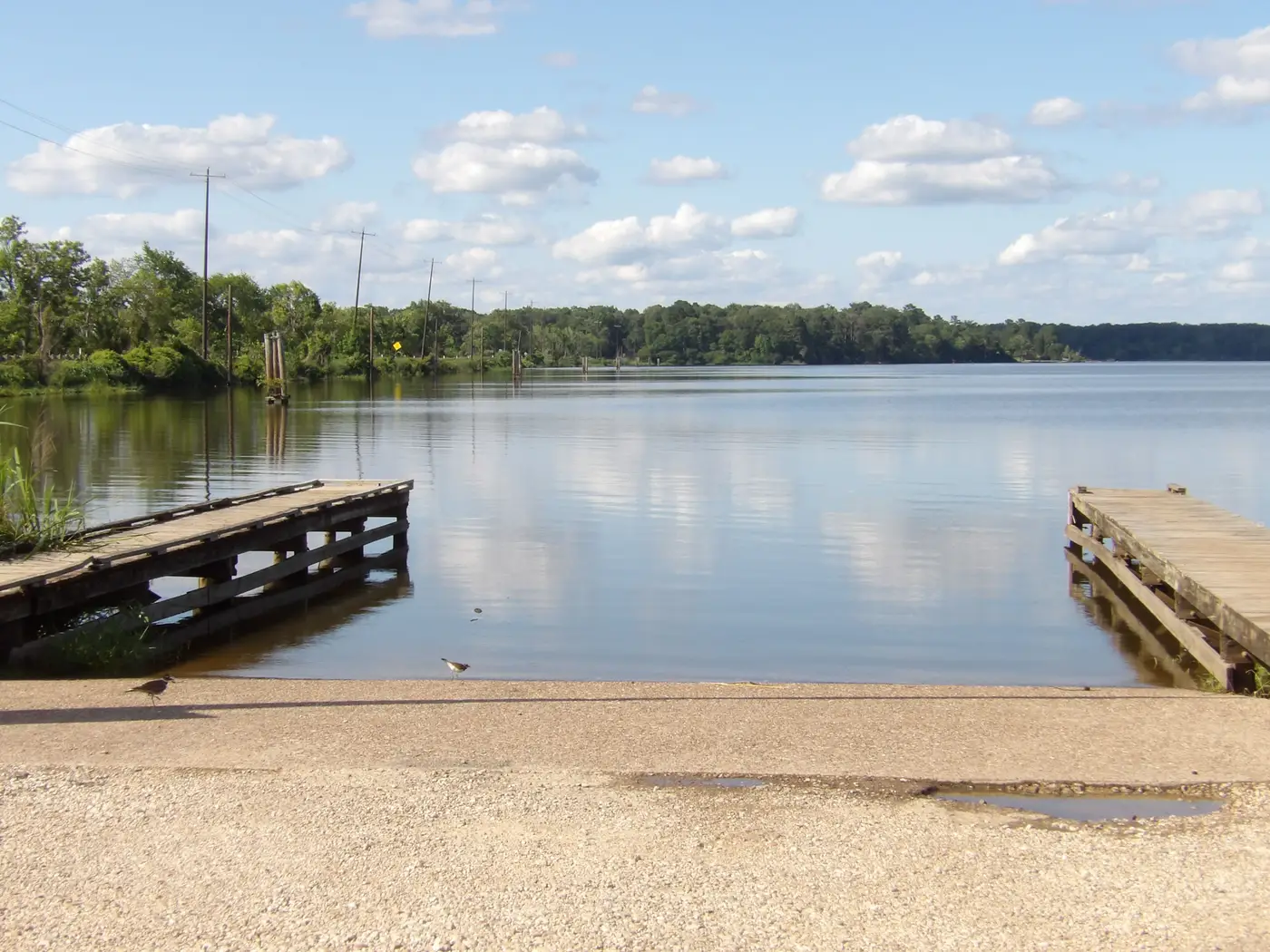 Field notes: the meeting where everyone meant something different by "floating solar"
A reservoir committee hears "floating solar" and nobody's picturing the same project. Notes from a meeting that's happening at a lot of utilities right now.
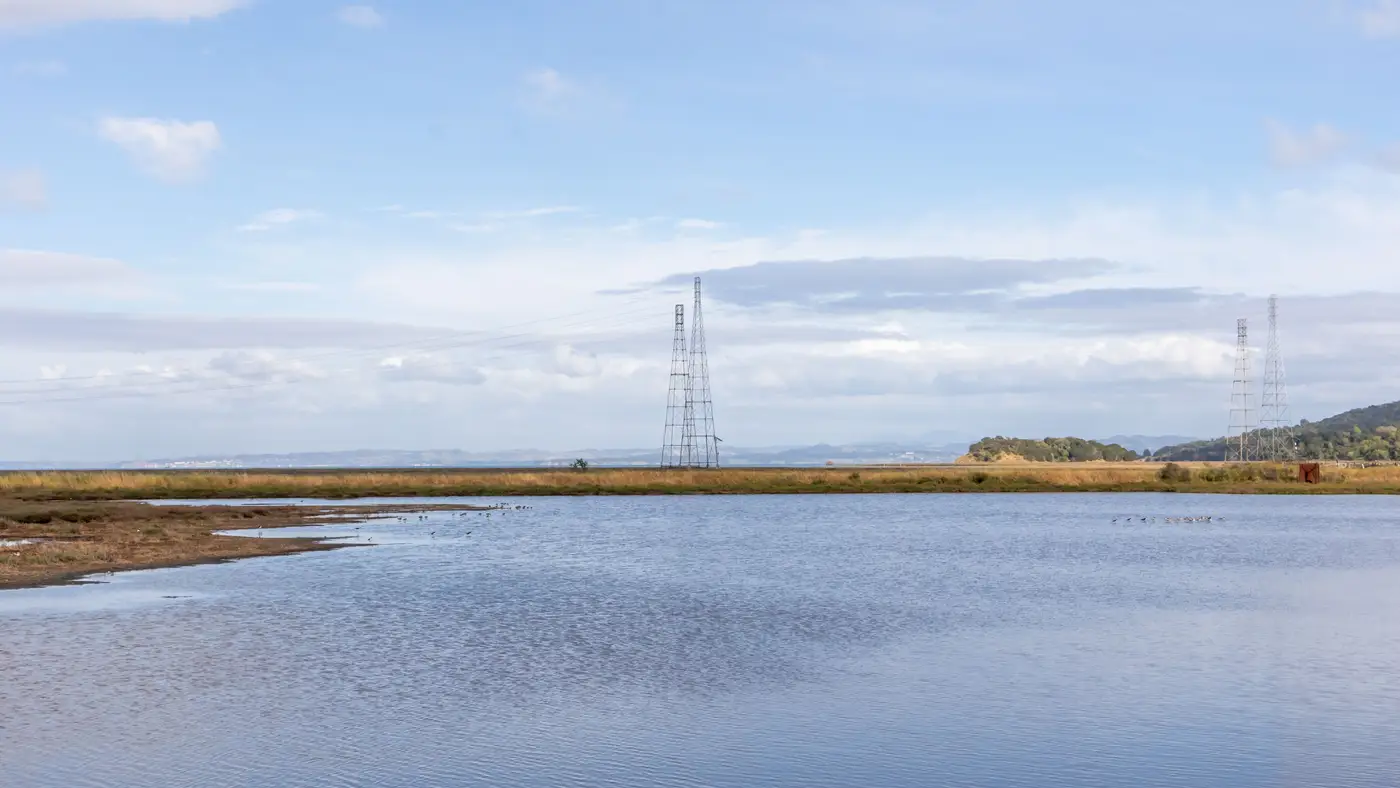 How far can a floating solar array be from the substation and still pencil?
What drives gen-tie distance limits for floating PV, why interconnection cost kills more reservoir projects than panel cost, and how to screen for it early.
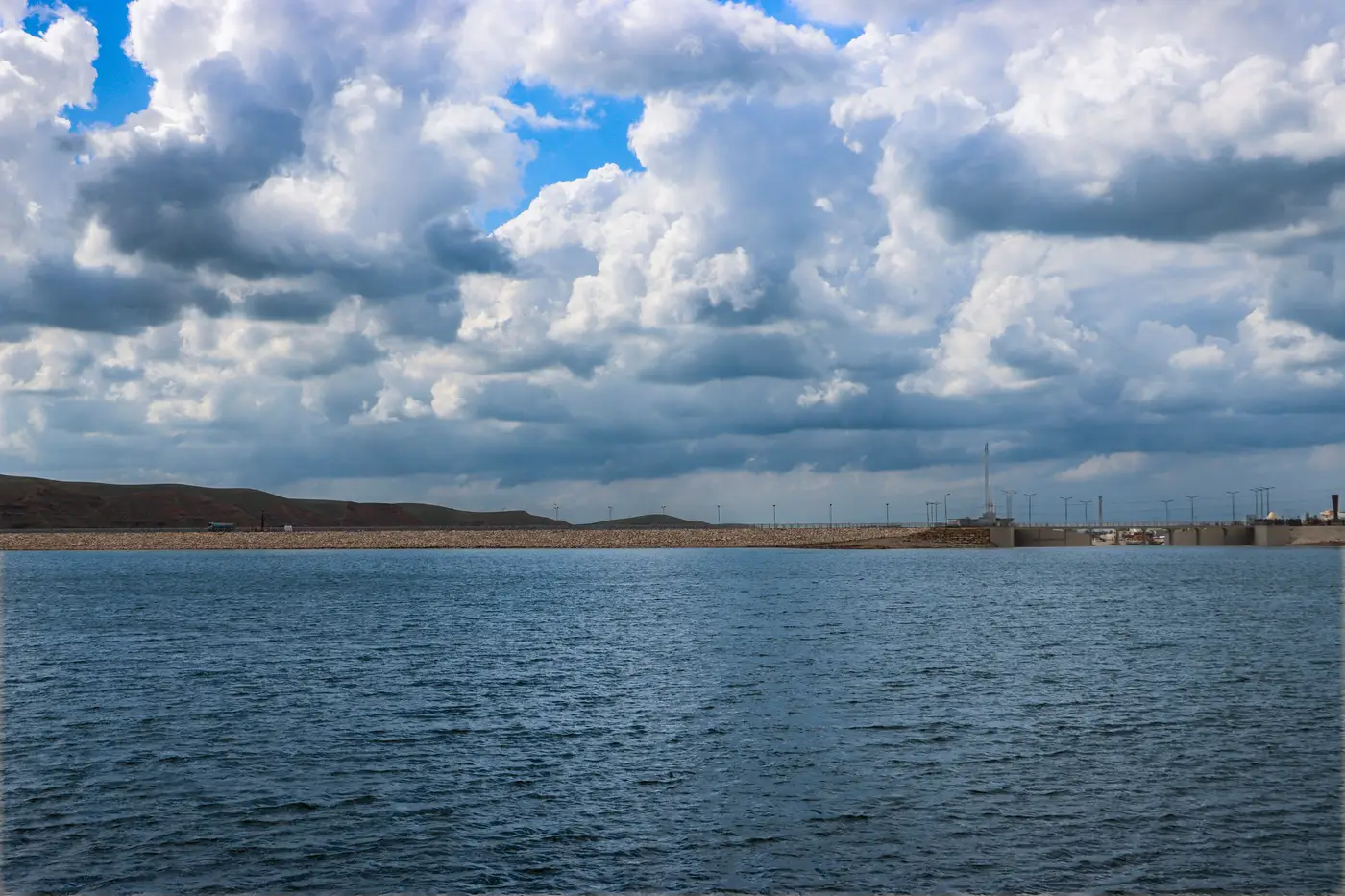 Floating solar siting: hydropower reservoirs vs water utility reservoirs
Floating-PV site requirements differ sharply between hydropower reservoirs and water utility reservoirs, from drawdown range to who signs off on the array.
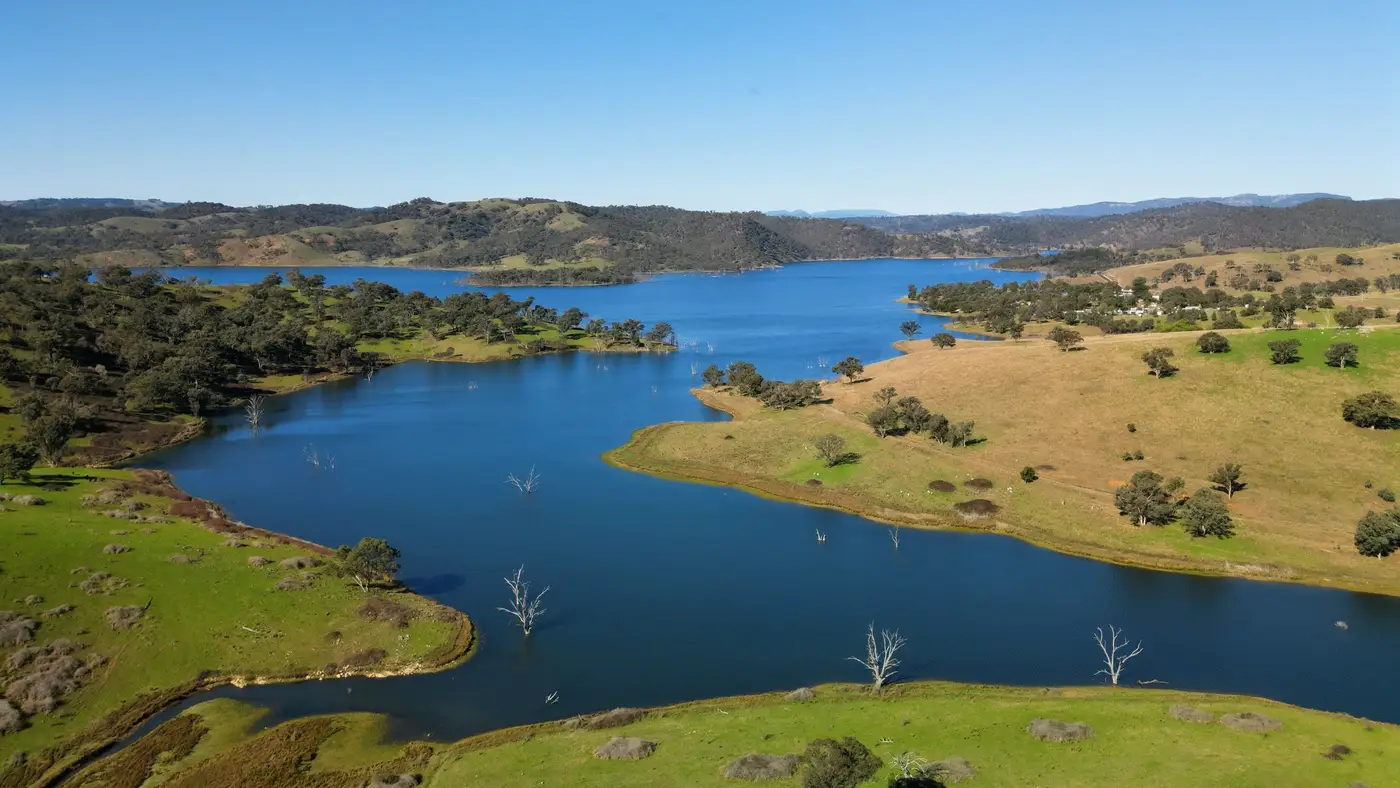 How many acres of open water does a floating solar array need?
A working rule of thumb for floating-PV acreage per megawatt, why coverage ratio eats into gross surface area, and the practical floor for reservoir size.
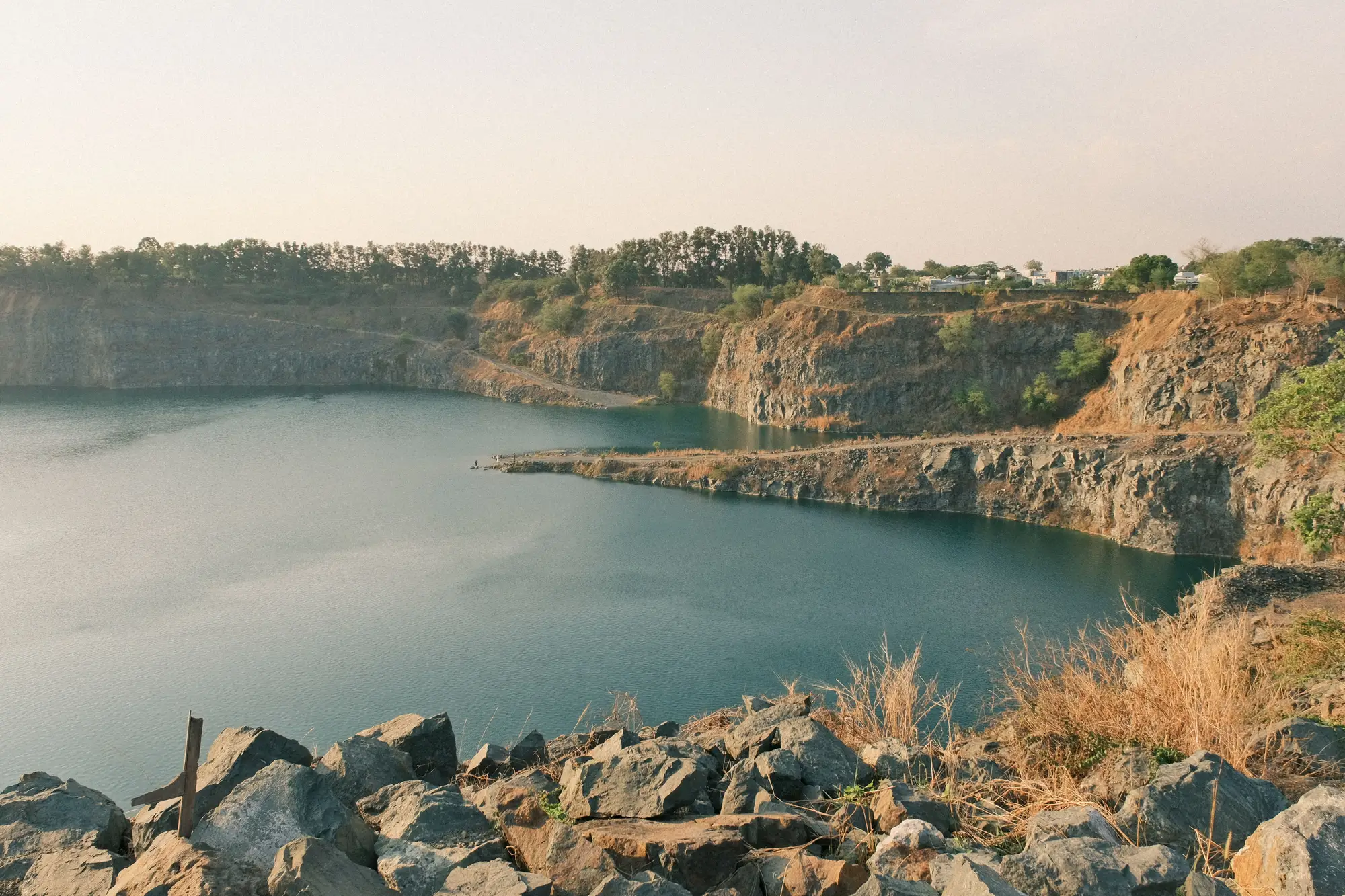 Field notes: the quarry lake that scored high until we found out who leased the shoreline
A flooded quarry ranked well on surface area and stability. The shoreline lease killed it. Notes on what a screening score can't see.
- What counts as shoreline access for floating solar, and what doesn't
What qualifies as shoreline access for floating solar anchoring and O&M crews, beyond distance to a road.
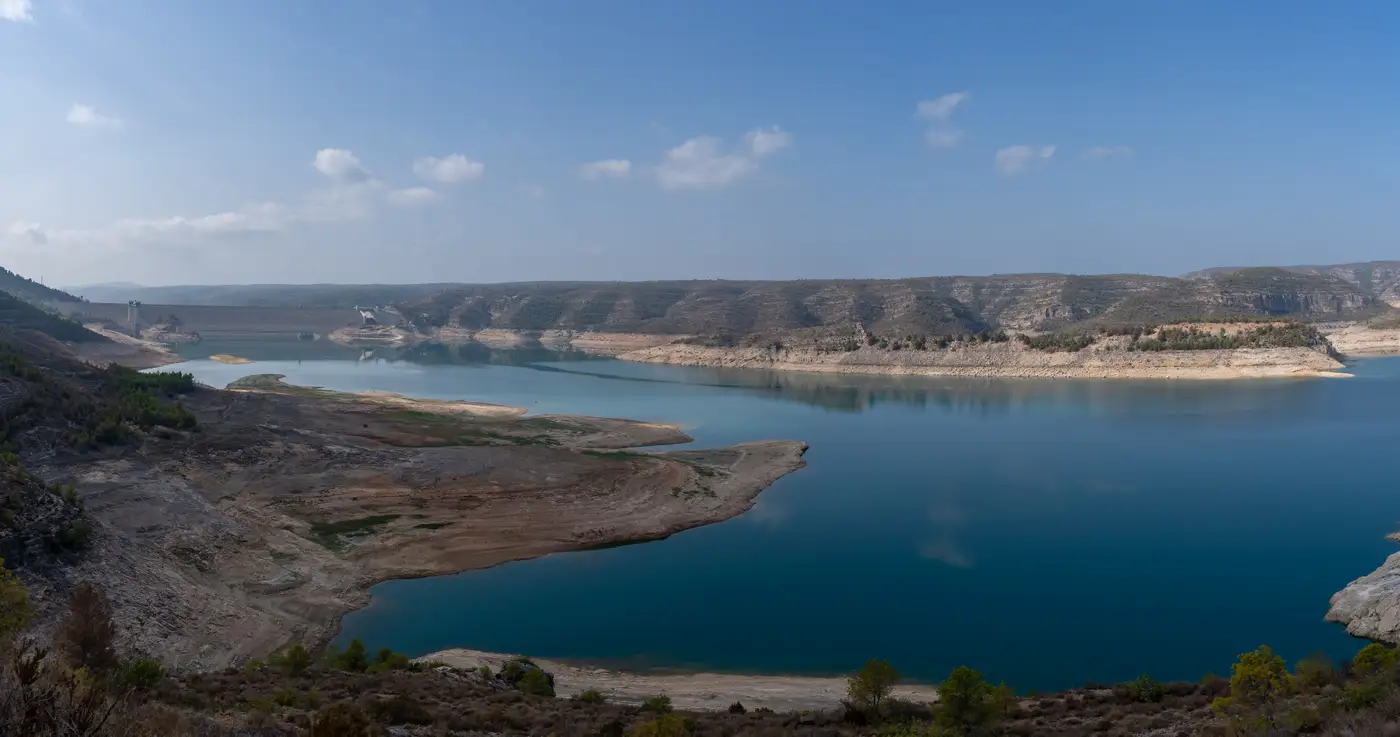 How to estimate evaporation savings from floating solar on a reservoir
A practical walkthrough for estimating evaporation reduction from floating PV, using pan evaporation data and coverage ratios instead of guesswork.
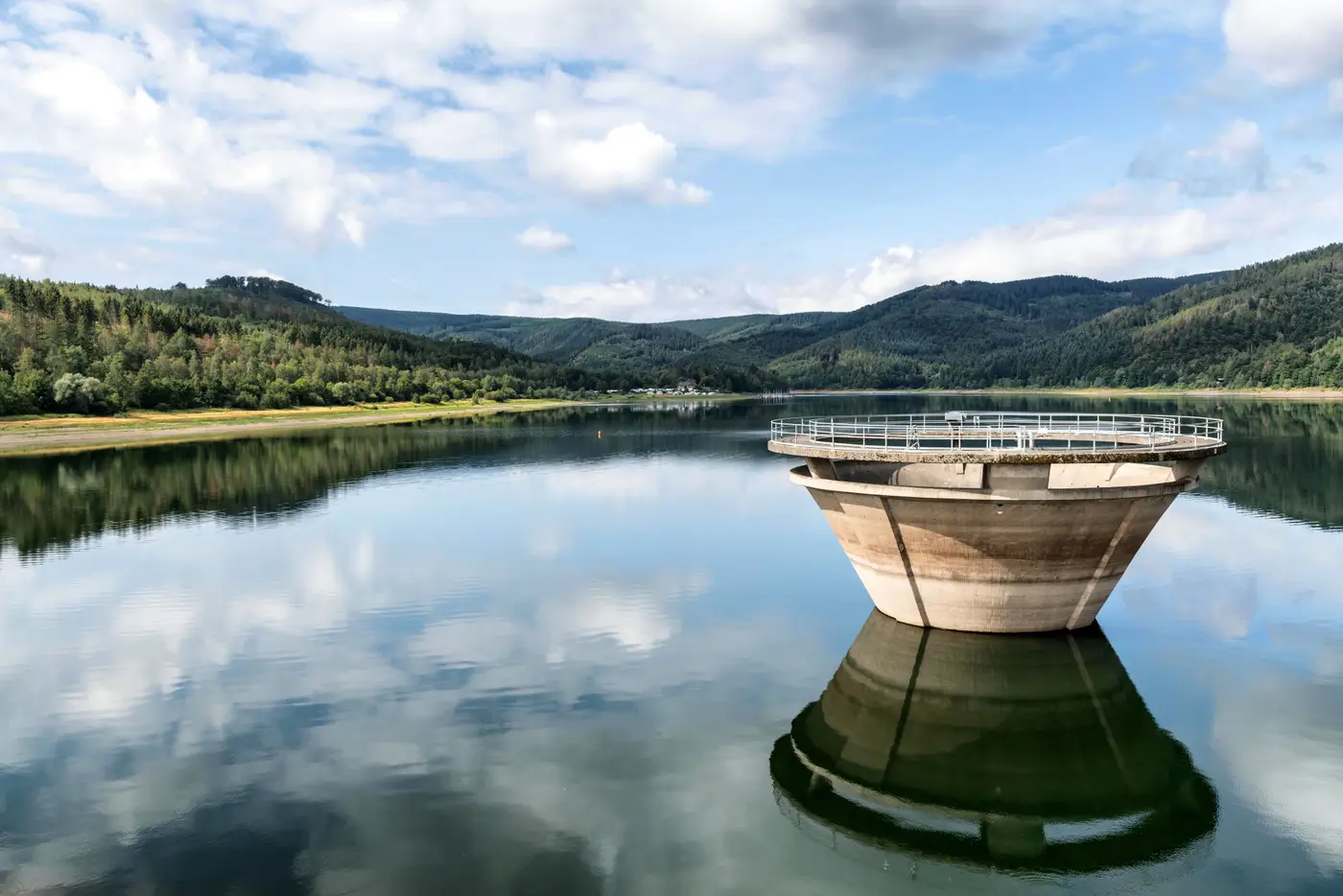 What counts as an exclusion zone when screening a reservoir for floating solar
What counts as an exclusion zone when ranking a reservoir for floating solar, from intake setbacks to spillway buffers and dam safety zones.
- Field notes: the reservoir that ranked first on paper and dead last on the shoreline
A field note on the reservoir that topped every spreadsheet metric and still got shelved after one walk of the shoreline.
- Floating solar vs. ground-mount solar: how site requirements differ
How floating PV site requirements differ from ground-mount: water level stability, shoreline access, anchoring, and shading all change the screening math.
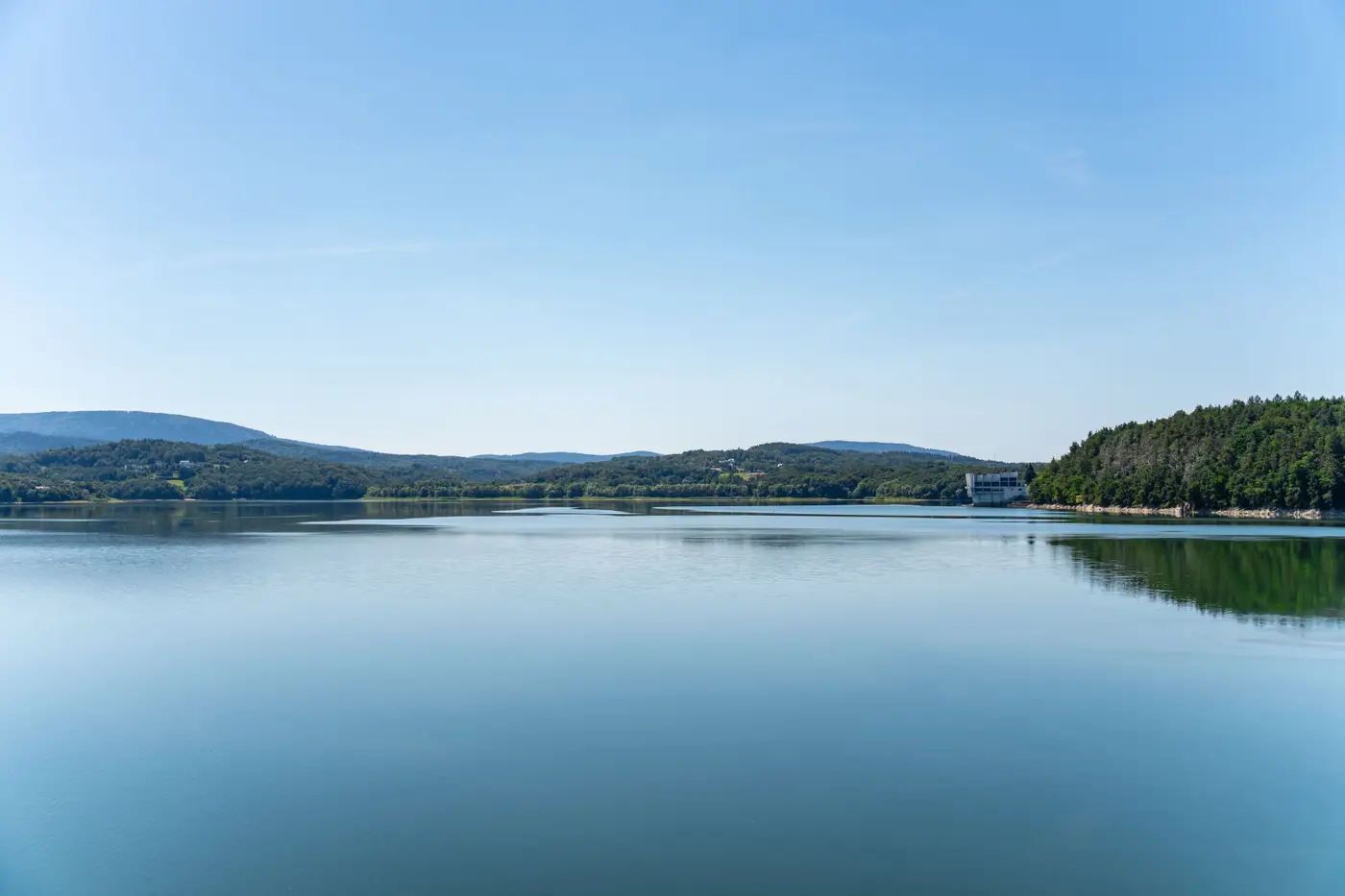 Floating solar vs ground-mount solar: how site selection criteria differ
Ground-mount site selection runs on soil, slope and land cost. Floating PV runs on water-level stability and shoreline access. Here's the split.
- What is wind fetch, and why floating solar anchoring depends on it
Wind fetch drives wave height on reservoirs and sets the loads your floating solar anchors have to survive. Here's how it works and why it matters early.
- Estimating shoreline shading losses before you scope a floating solar site visit
How to estimate shoreline tree-line shading losses on candidate reservoirs before scoping a floating solar site visit.
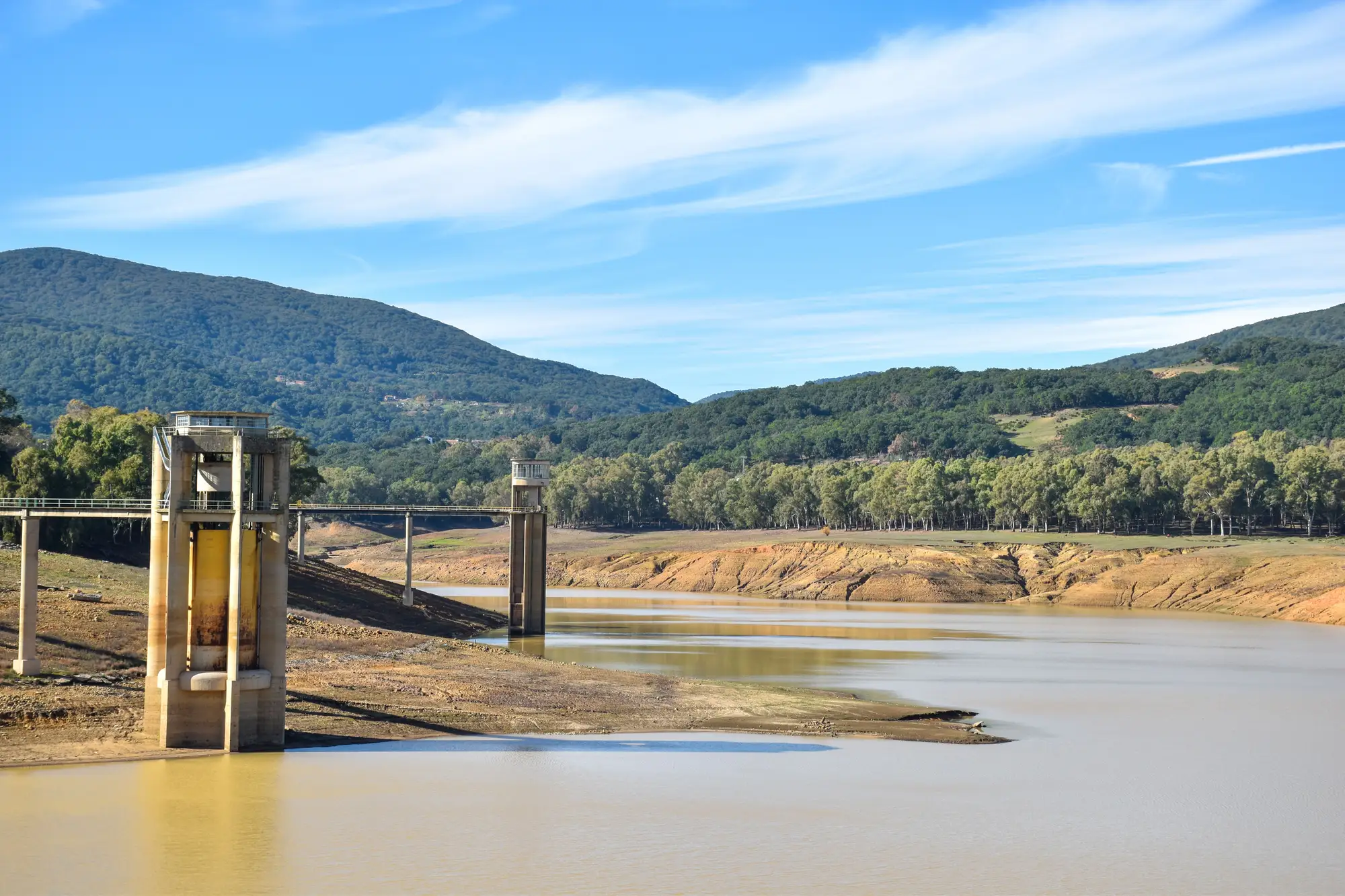 What is reservoir drawdown, and why does it decide your anchoring design?
Drawdown governs anchor line length and walkway slope on floating solar. Here's how to read a reservoir's level history before designing around it.
- Fixed vs catenary mooring: picking an anchoring system for floating PV
How water-level swing and shoreline access decide between fixed and catenary mooring for floating solar on reservoirs.
- How to estimate floating solar capacity from reservoir surface area
A quick-math method for sizing a floating-PV array from a water body's footprint, with the MW-per-hectare range developers actually use.
- Quarry lake vs settling pond vs reservoir for floating solar
How quarry lakes, settling ponds, and reservoirs compare for floating PV siting, covering level stability, shading, and shoreline access.
- What is cover ratio in floating solar design?
Cover ratio sets how much of a reservoir's surface a floating PV array can use. Here's what drives the number and why it varies site to site.